
Autotrader
AutotraderA UK-based digital automotive marketplace that has been connecting car…

It’s officially Mental Health Awareness Week 2026. This week is always important to highlight the impact of mental health as well as sharing tips that can help looking after your own wellbeing, as well as caring for those around you. This year the theme is ACTION. So, for this blog we are focusing on the small actions you can take each day to support your mental health.
Setting small targets each day can be a way of slowly introducing positive habits to your lifestyle. Sometimes setting unrealistic standards can be daunting and make you give up quickly. That’s why small actions everyday can help in the long term. Let’s dive in.
Grounding techniques are often used to help people during anxiety or panic attacks. It’s a way that brings the body and mind back into the present. There are many ways you can do this.
One that I use often is the 5,4,3,2,1 method. These targets all of your senses forcing your brain to focus on the environment around you in all ways.
5 things you see
4 things you touch
3 things you hear
2 things you smell
1 thing you taste
Other grounding techniques could include, washing your hands with warm or cold water, smelling something that comforts you and makes you feel calm or happy.
Practicing any of these often, even in moments of peace, can help you when you need it most, allowing your brain to focus on grounding quicker and relaxing your body overall.
Want to find other ways you can ground yourself? Take a look at the healthline website
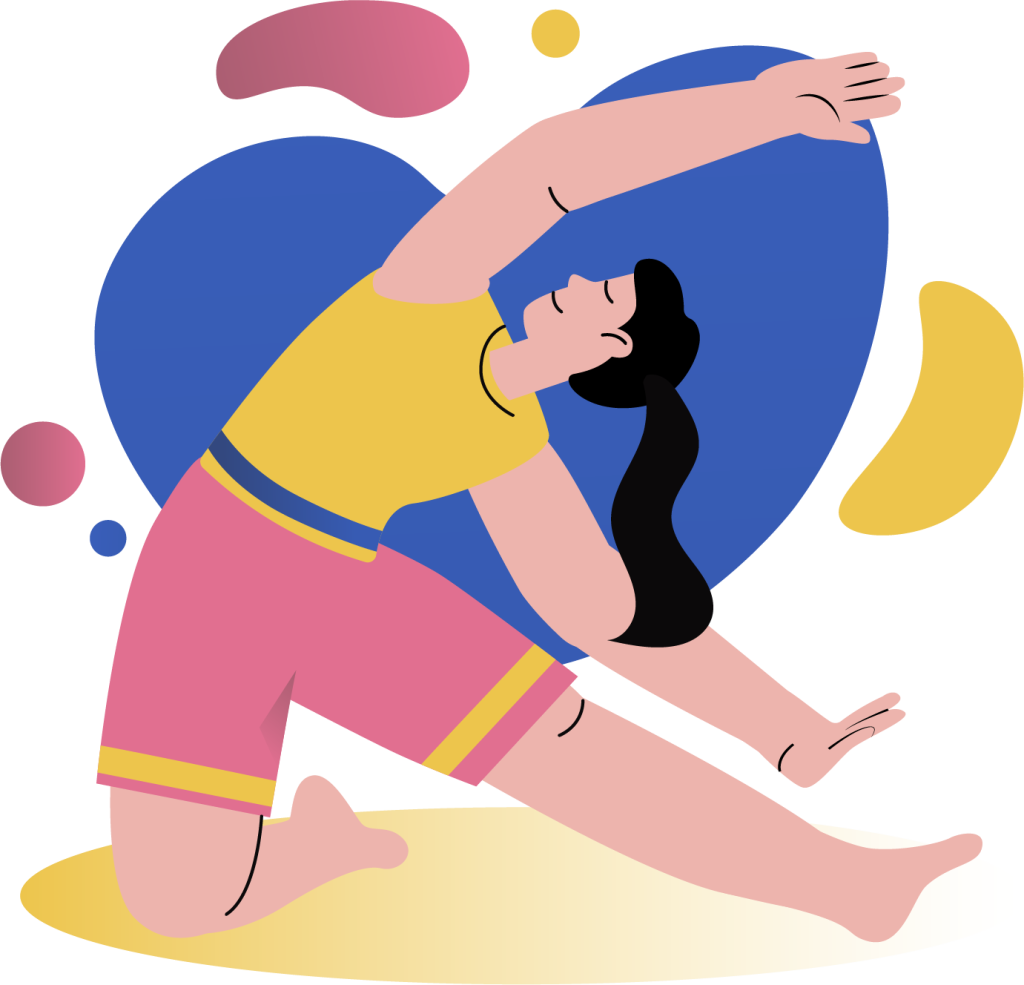
Regular short stretches not only help your body but can help your mind reset and rest. These moments can be a full workout or just a simple 5 – minute stretch. Anything that gets your blood flowing or your heart pumping is great for you. Working in a full-time job, it can feel that you don’t always have the time to do exercise, but there are some simple stretches you can do to relax tension and reduce stress even in the office.
Here are a few examples for you to try:
Whenever we feel stressed or overwhelmed our biggest anchor is our breath. Taking deep breaths signals to our brain that we are safe and have the space to calm down. There are several breathing techniques for different circumstances.
One of my favourites is the ‘box breath’.
This consists of 4 sets of 4 seconds. Inhale for 4, hold for 4, exhale for 4, hold for 4, and repeat.
It’s good to visualise a box as you do this to focus on the rhythm. The notion of counting as you breathe allows you to maintain the technique for longer and I have done many times during meditation to remain in the present.
You can find more breathing techniques on Headspace here:
Taking some time outside is so important and surprisingly can help a lot more than we imagine it to. Being outside can lift our moods, putting us in a more relaxed state, moving us to parasympathetic nervous activation (This causes our heart rate, blood pressure and stress levels to lower). Especially if you spend a lot of your time inside with artificial lighting, sitting at a desk with a screen, it’s important to take breaks, get some fresh air, enjoy the sun (when it’s actually here) being around and listening to nature. Give your eyes a break from the screens, trust me it helps.
All the science facts are backed up here, if you don’t believe me:
It’s always good to discover new ways of maintaining better wellbeing. Take a look at some of our other blogs for creativity and wellbeing for more inspo.